5 things to do and see in Stilo
Stilo, Calabrian village of many wonders, is steeped in spirituality and has long been a centre of Greek-Byzantine and Christian culture. It has countless stories to tell, not least that of the philosopher Tommaso Campanella (1568–1639), its most illustrious son. Needless to say, Stilo is part of the “Most Beautiful Villages in Italy” network.
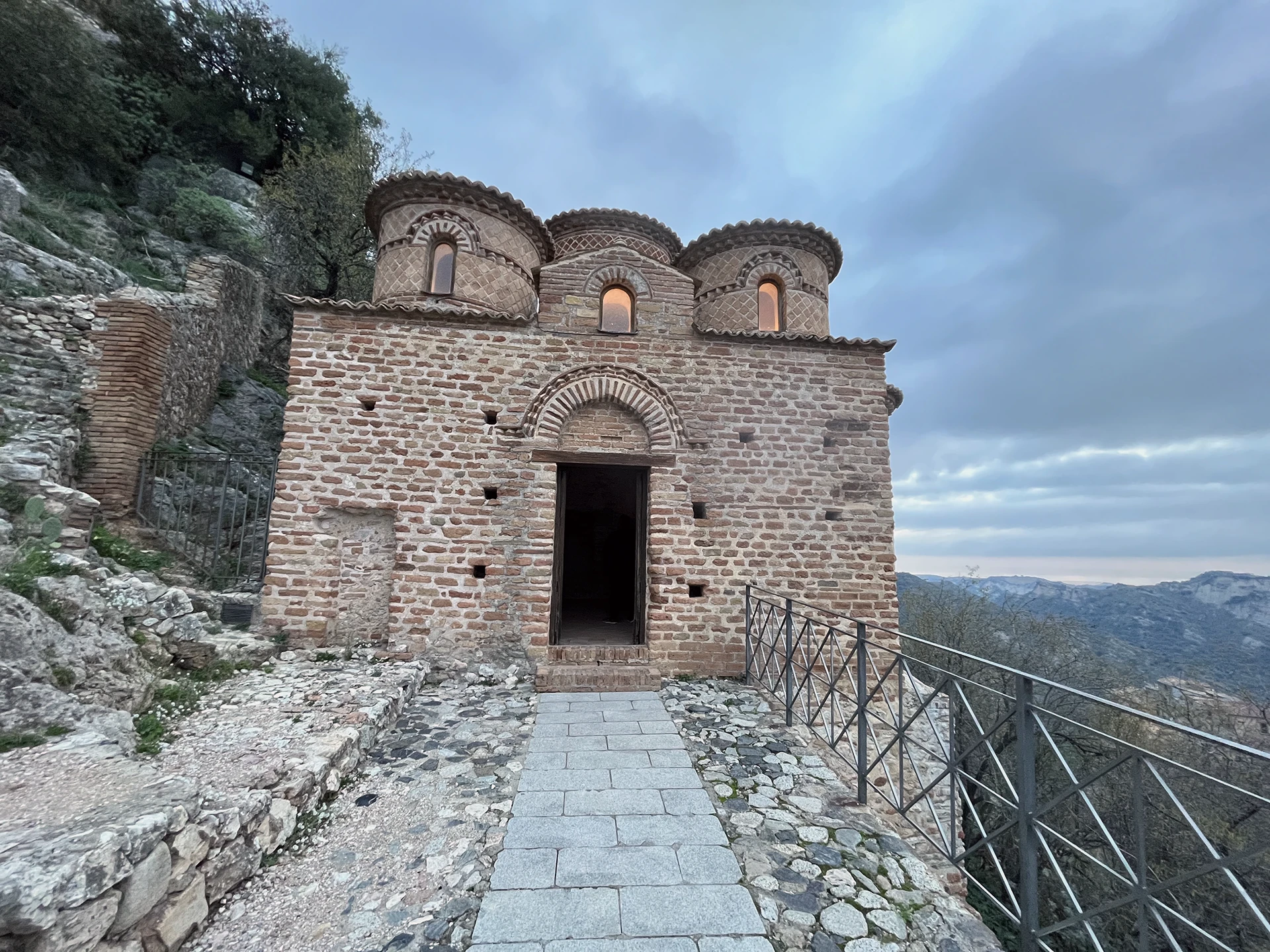
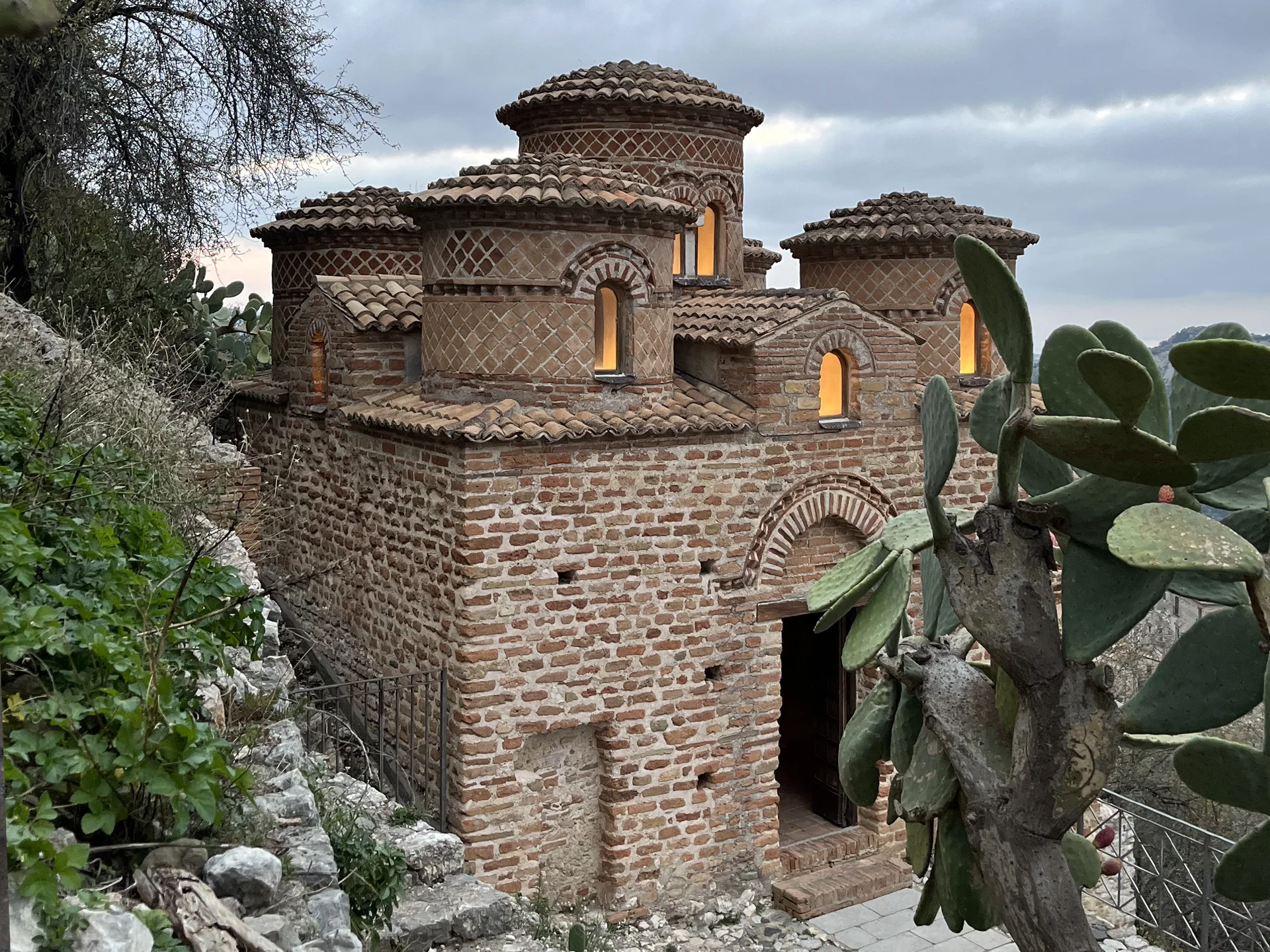
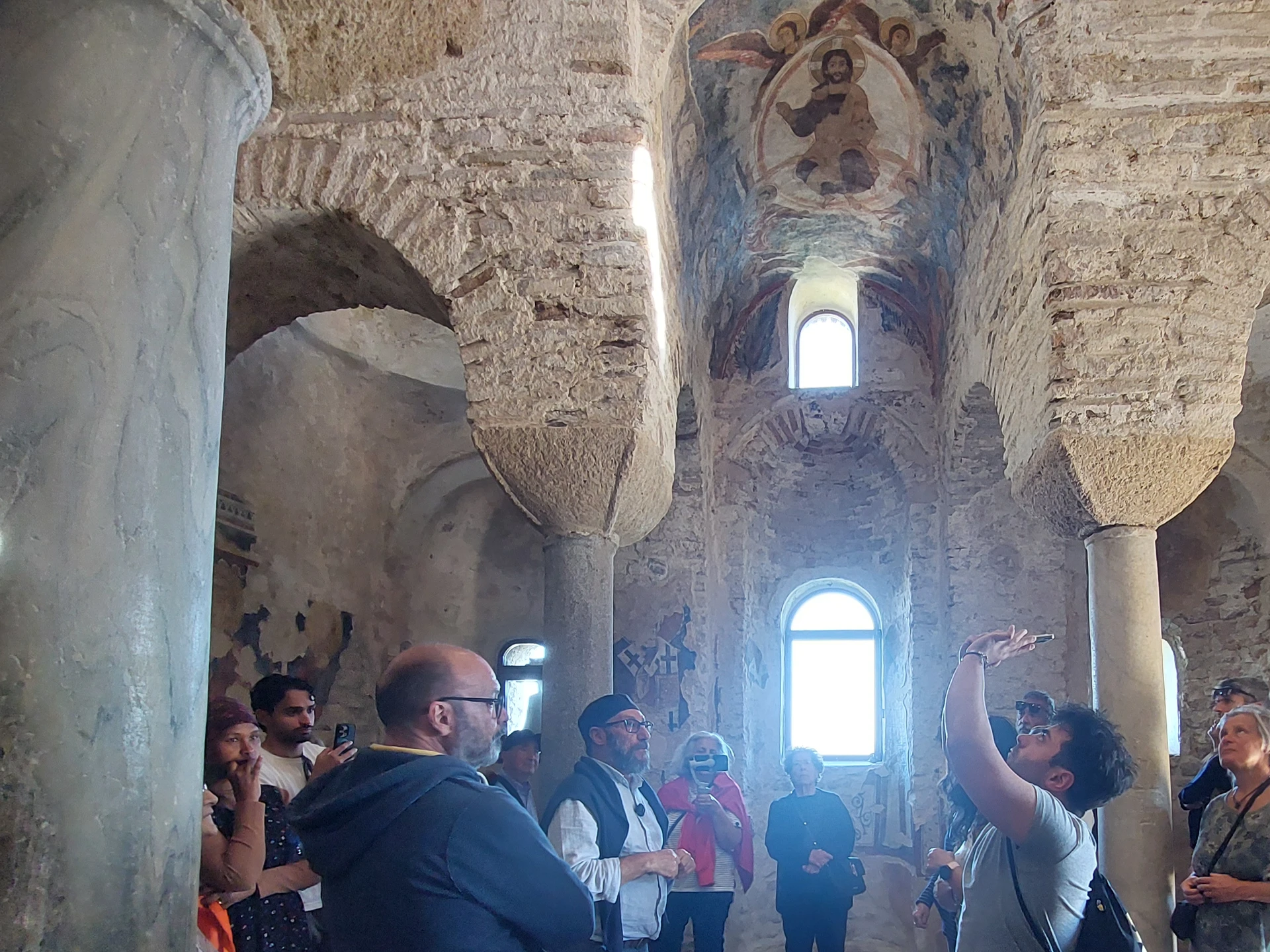
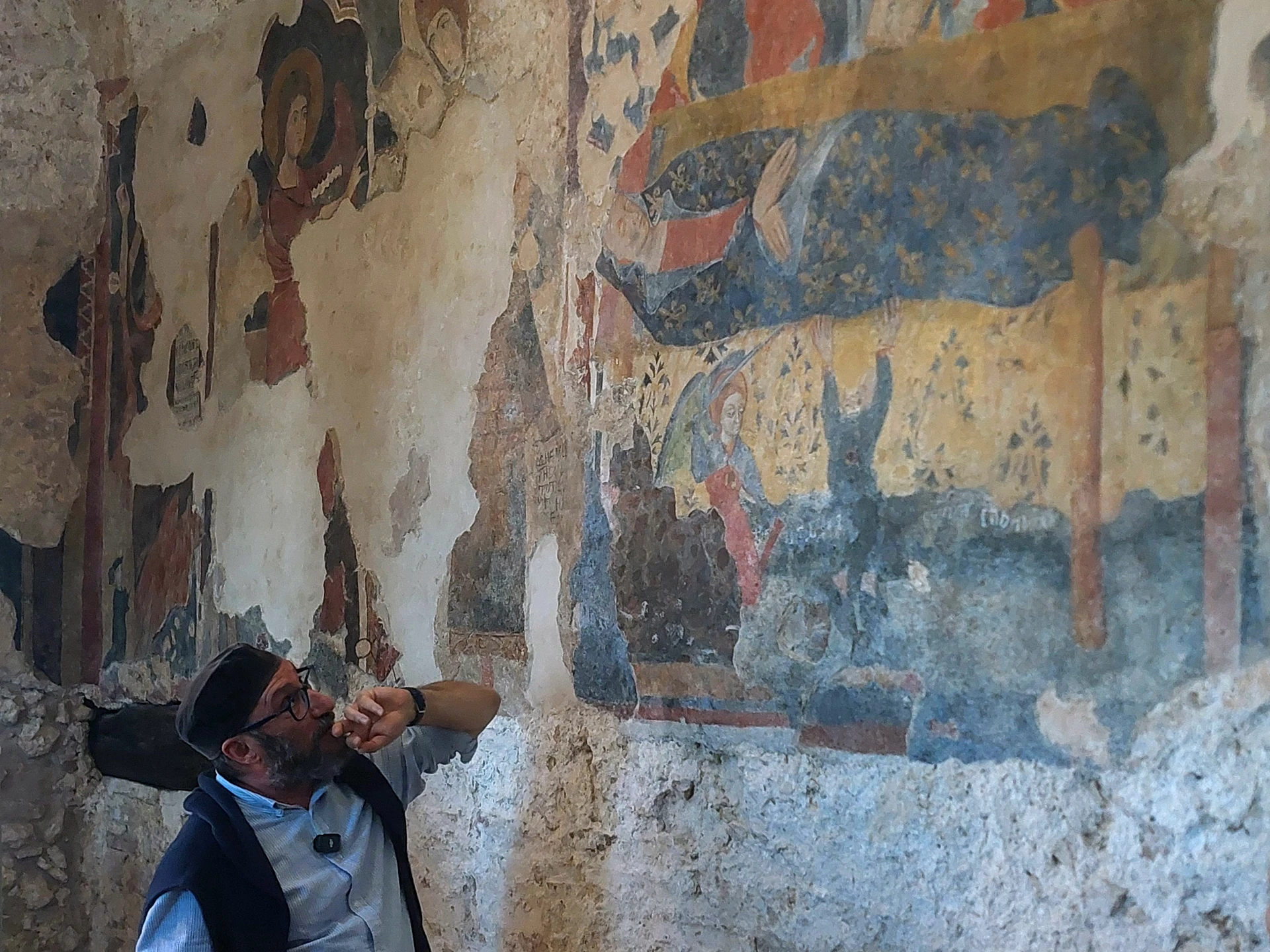
1 – Cattolica di Stilo, a Byzantine treasure from the 9th century
Just outside the village of Stilo stands the Cattolica, a tiny Byzantine church of rare beauty. – The name «Cattolica» comes from the Greek katholikòn, meaning the main church in the Orthodox rite. It was, in fact, a point of reference for the Basilian hermits who lived in caves, known as «laure,» on the slopes of Mount Consolino. – With its square plan, five domes and a hieratic, mysterious interior, the church seems to reconnect visitors with the divine. It is so rare and precious that it has been proposed as a candidate for UNESCO World Heritage status.
Photo: SharryLand and Trekking Stilaro APS
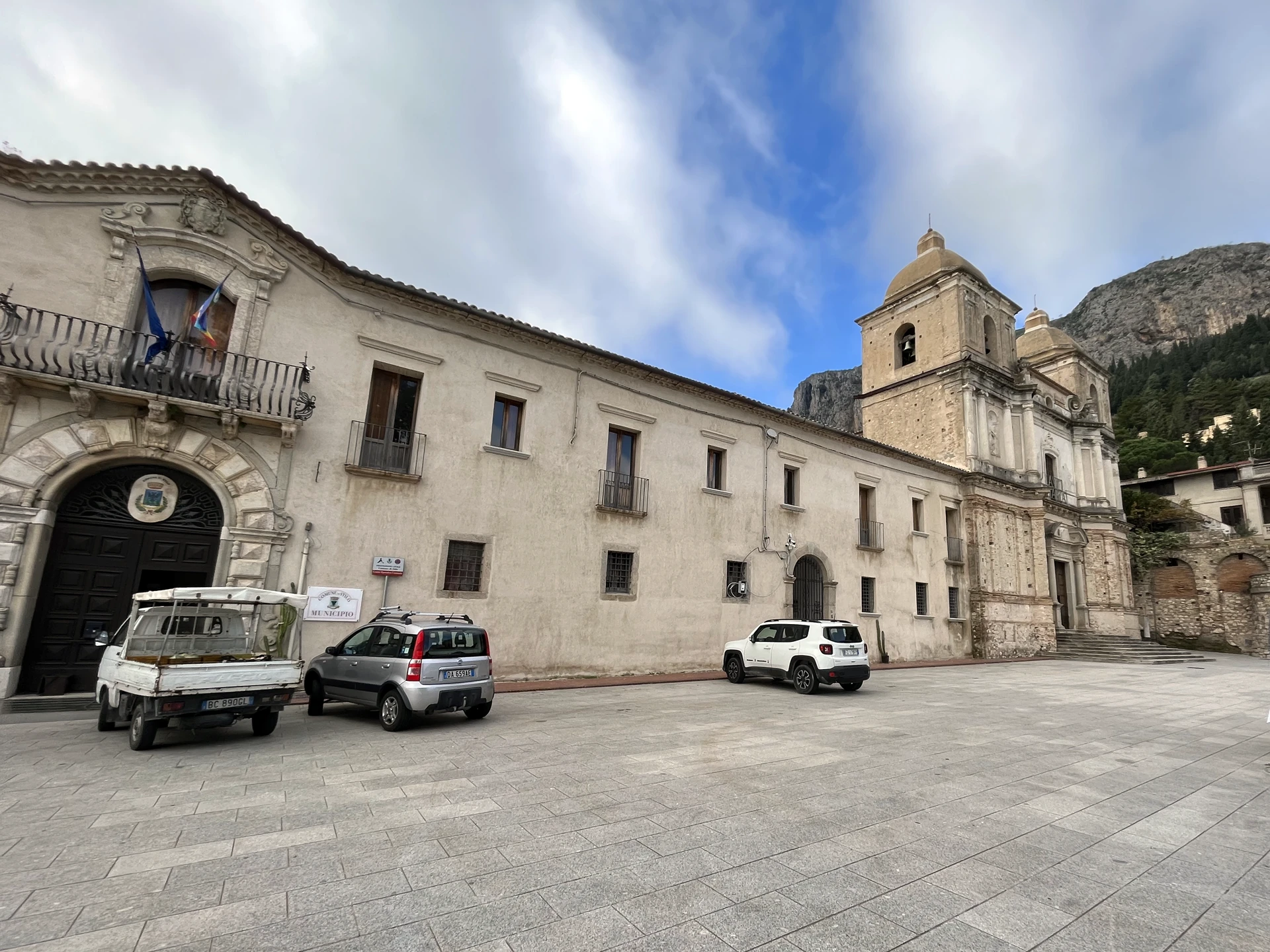
2 – The old village of Stilo
For those who love stepping back in time, Stilo is waiting to be explored. Its medieval layout is a tangle of pale stone houses overlooking narrow lanes, all nestled on the slopes of Mount Consolino. – Here you will find a precious Arab-Moorish fountain, the Fountain of the Dolphins, along with a remarkable number of churches. The main one is the Chiesa Matrice, dedicated to Santa Maria d’Ognissanti, with its majestic Gothic portal and an extraordinary painting by Battistello. – Also especially evocative is the Church of the Divina Pastorella (the «Divine Shepherdess»), set inside a cave.
Photo: SharryLand
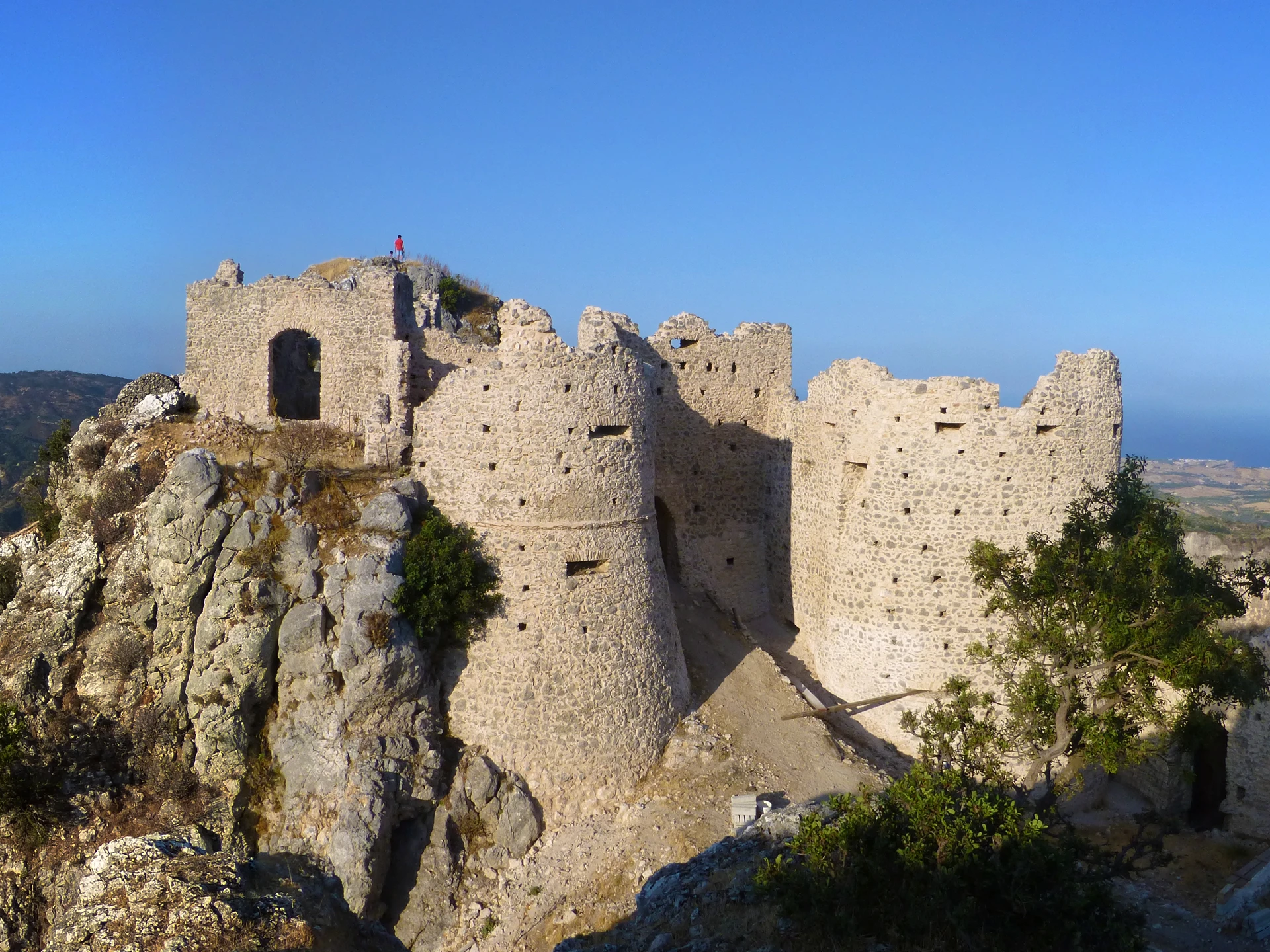
3 – The wonders of Mount Consolino
Limestone rocks, jagged and hollowed out by caves and deep erosion: this is Mount Consolino (701 m). From the summit, where the ruins of Stilo’s Norman Castle stand, you will enjoy an extraordinary view over the Stilaro Valley. – From Stilo, a Via Crucis and a walking trail lead up to the castle, while climbers and free-climbing enthusiasts will find plenty to challenge them. – Hermit monks once lived in the mountain’s caves, known as «laure». One of the best known is the frescoed Cave of Sant’Angelo.
Photo: marcuscalabresus Source
4 – The Palio di Ribusa, on the first weekend of August
A historical re-enactment of Tommaso Campanella’s Calabria, between the Middle Ages and the Renaissance, with a knightly tournament, a medieval market, archers, jesters, musicians and falconers… – It is a true leap back in time, drawing visitors from all over Calabria and culminating in the Giostra dell’Anello, the “Ring Joust”, a traditional tournament of skill on horseback.
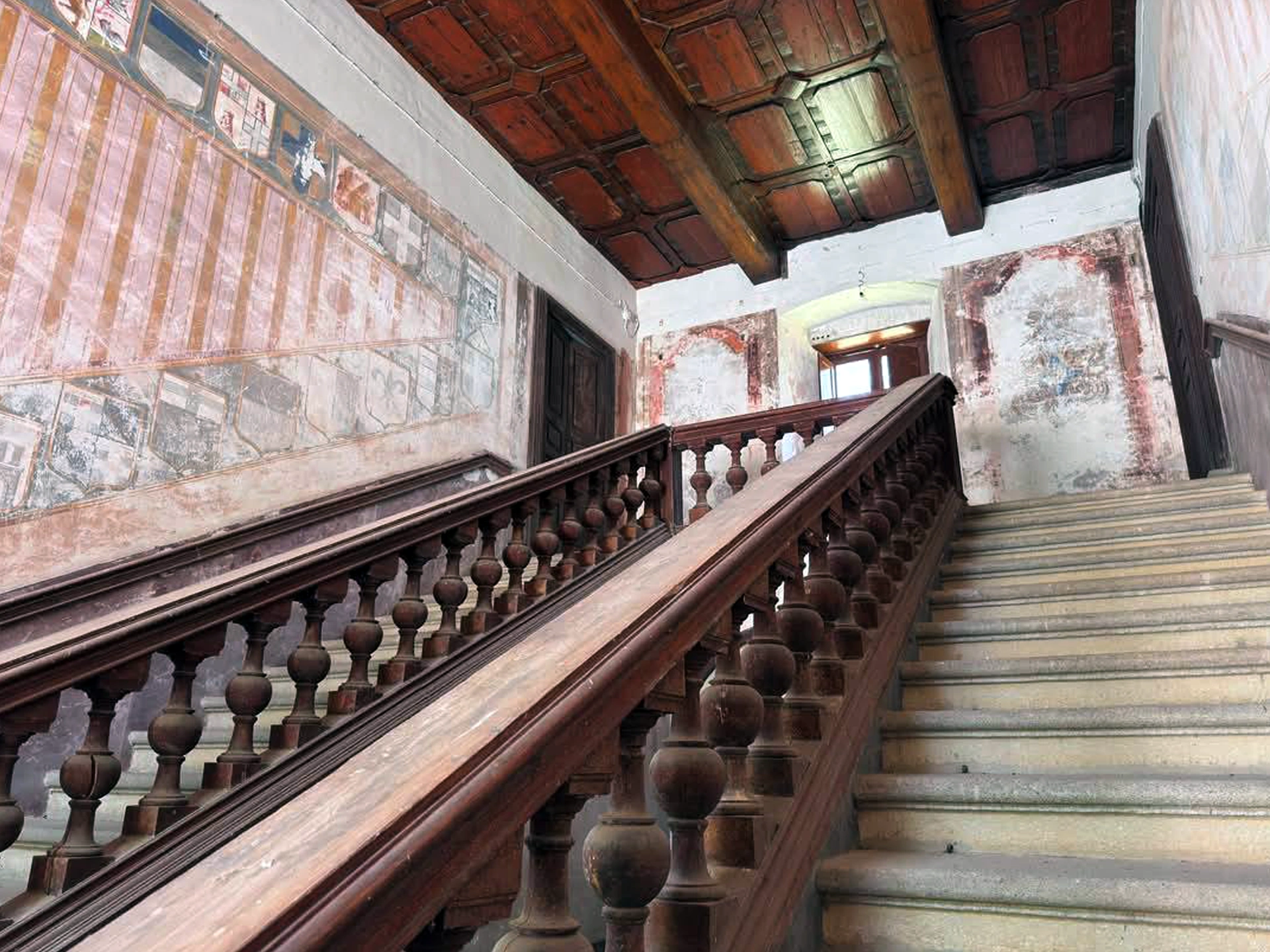
5 – «La Ferdinandea» in the Stilo Woods: industrial archaeology
For a long time, the mines were one of the economic driving forces of this area. At an altitude of over one thousand metres, deep in a vast beech forest, a cutting-edge ironworking complex was built in the 19th century and named in honour of Ferdinand II of Bourbon. Ironworks, furnaces, elegant administrative buildings, workers’ villages, dams… These are traces of our past to be discovered and protected.
Photo: City of Stilo Source
Cover photo - Iosa53 - Fonte