Stilaro Valley
A history stretching back thousands of years, a treasure trove of biodiversity
A Bird’s-Eye View
How can we possibly capture, in just a few words, the many civilisations that have shaped the Stilaro Valley — its biodiversity, faith, history and the resilience of its small communities? Here are the first brushstrokes of a much larger fresco.
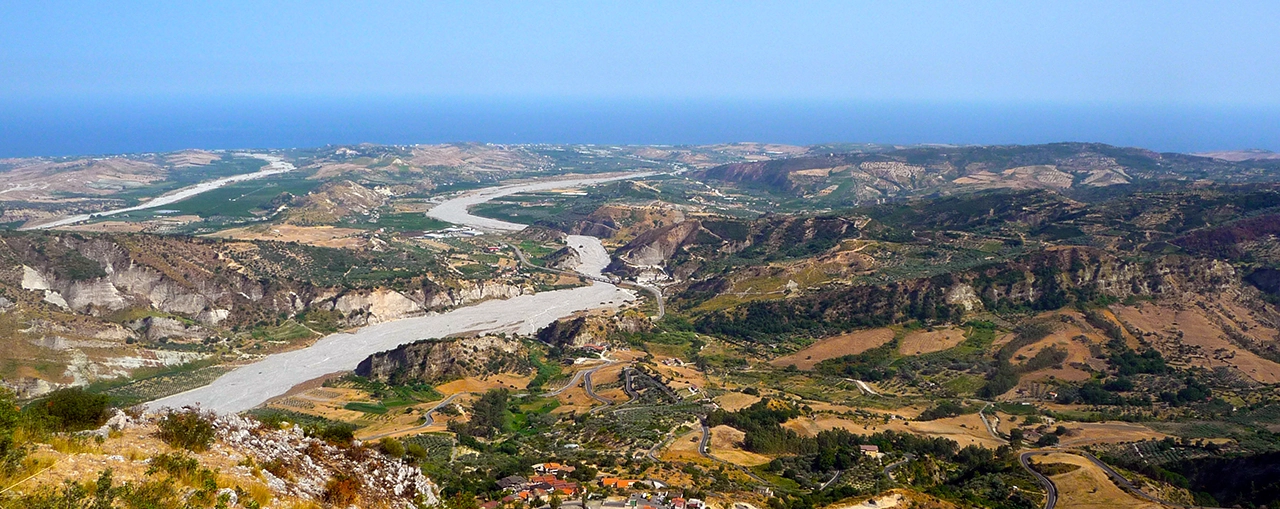
The Fiumara Stilaro
A «fiumara» is a seasonal riverbed, often dry for much of the year, but capable of carrying powerful flows after heavy rains. The Stilaro begins its descent from Mount Pecoraro (1,423 m), the highest peak of the Serre range. It then follows a winding course around Mount Mammicomito (1,047 m), Mount Stella (832 m) and Mount Consolino (701 m), crossing the territories of Stilo — from which it takes its name — Bivongi and Pazzano. Four other municipalities also lie within the Stilaro Valley: Riace, Camini, Monasterace and Stignano.
Photo: Marcuscalabresus Source
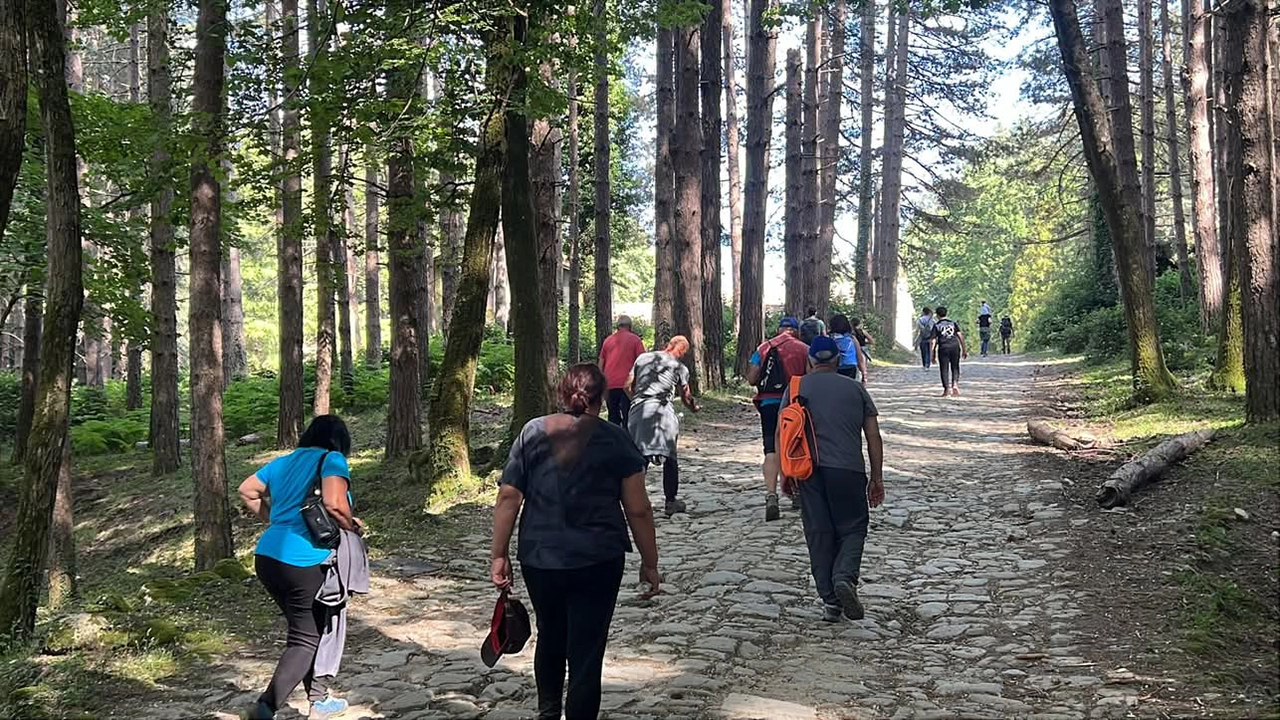
The Vegetation
In its upper stretch, the Stilaro flows through oak and chestnut woods, gathering the waters of numerous tributaries that descend through deep valleys dotted with picturesque waterfalls. As it approaches the sea, the Stilaro takes on the broad shape typical of a «fiumara» and makes its way towards the Ionian Sea at «Contrada Caldarella,» surrounded by Mediterranean scrub — strawberry trees (Arbutus unedo), myrtles (Myrtus communis) and brooms (Spartium junceum) — between two rows of wild oleanders (Nerium oleander).
Photo: Trekking Stilaro APS
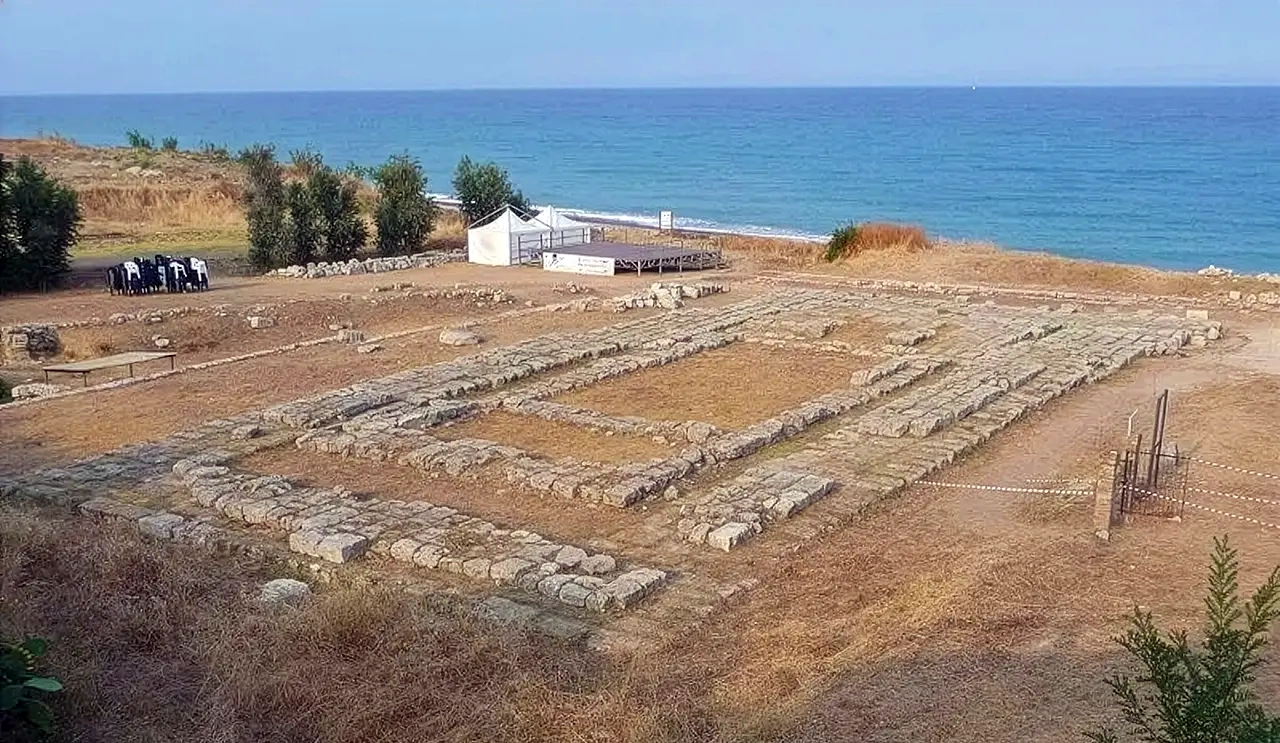
Ancient Times
The earliest traces of human presence date back to the Middle Palaeolithic and the Neolithic, while finds from several necropolises tell us about our ancestors in the Bronze and Iron Ages. The first evidence of Greek settlements in the valley dates back to the 8th and 7th centuries BC, with the archaeological site of Kaulon in Monasterace Marina as its most beautiful testimony. The Romans later conquered the area, exploiting its resources: the minerals from its mines and the timber from its forests.
Photo: Calabria Region Source
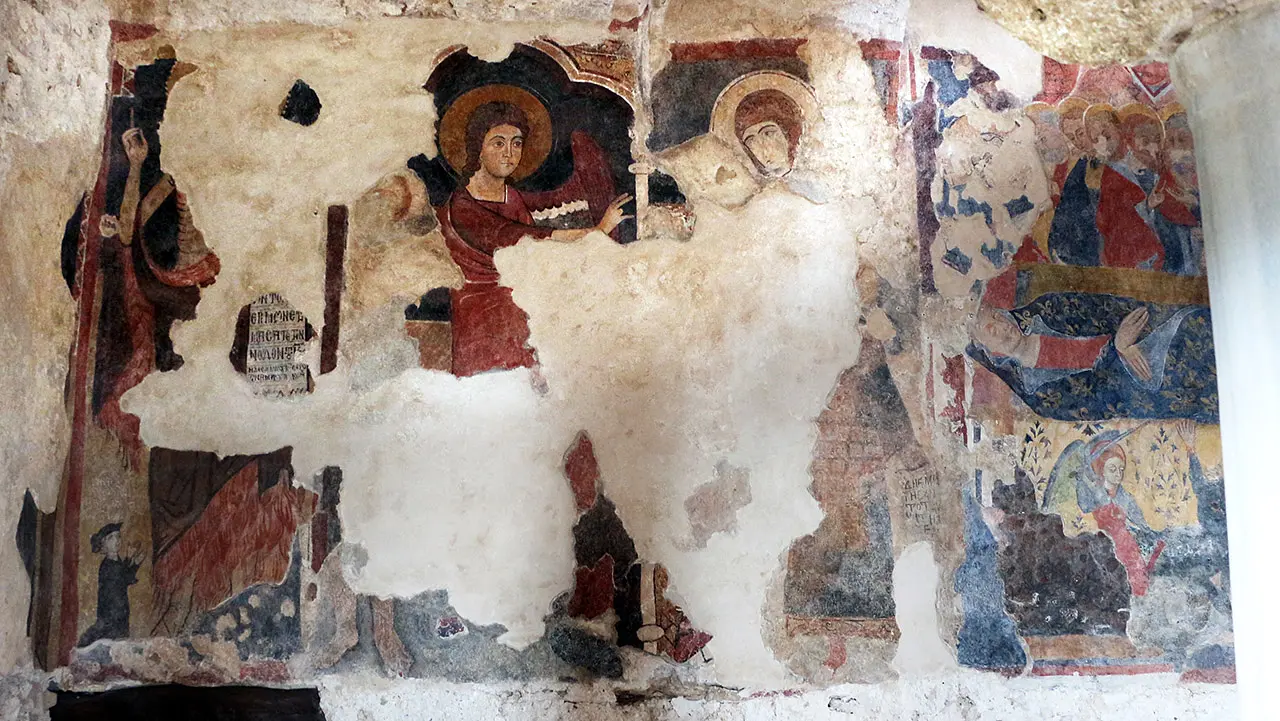
The Middle Ages
Under Byzantine rule in the 10th century, the Stilaro Valley experienced a period of economic prosperity. Hamlets and convents, churches and monasteries began to appear, together with «laure» cave dwellings where the Greek monks of Saint Basil lived as hermits. – Stilo became the most important religious centre. In the 11th century, the area came under Norman rule, and the name of Ruggiero II echoed within the walls of castles and cathedrals throughout Calabria.
Photo: Sailko Source
Industrial Archaeology
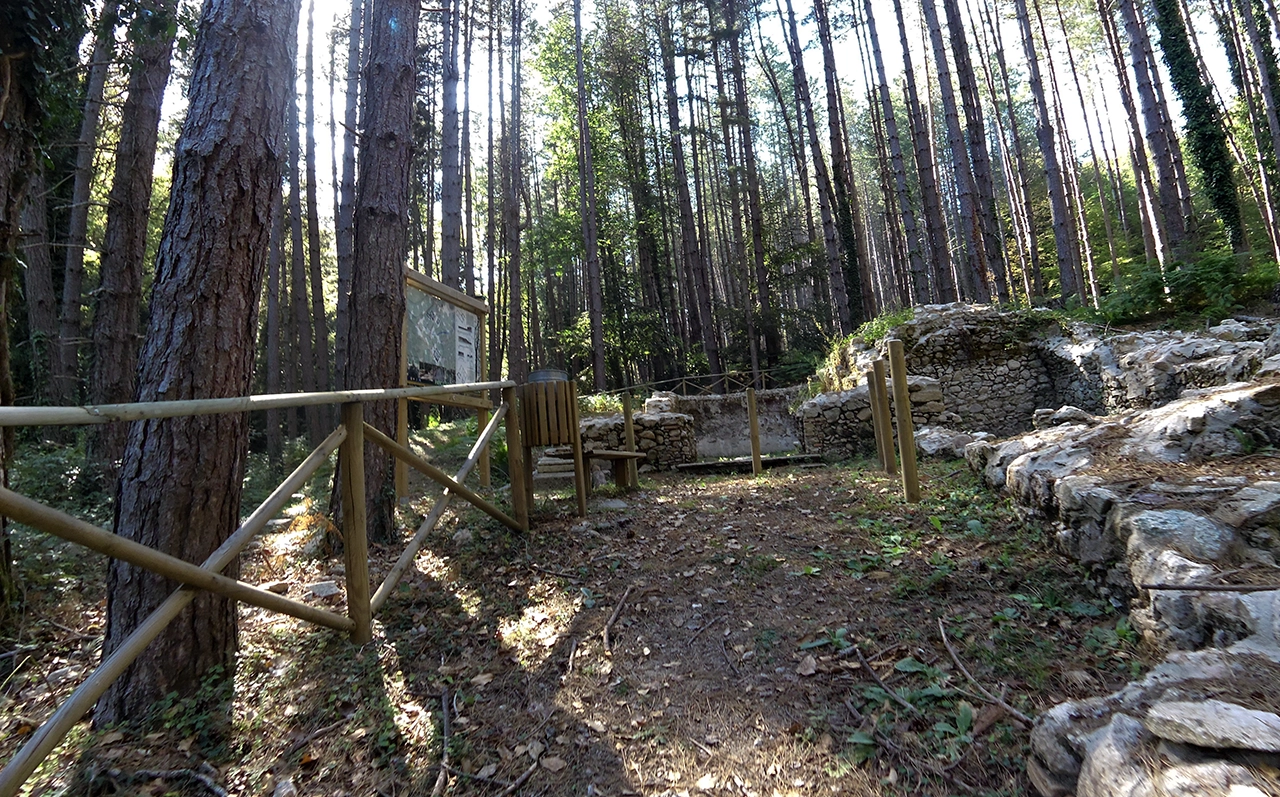
Over the centuries, the Fiumara Stilaro has always played a central role in the local economy. In particular, it was essential to the mining and ironworking activities that once brought prosperity and importance to this area. – The remains of numerous mills still bear witness to this past: they were used to process iron minerals before they were transported to the foundries. – More recent is the hydroelectric use of the fiumara, with dams, reservoirs, small power stations and even a spa facility, the old Bagni di Guida. – The Ecomuseum of the Ironworks and Foundries of Calabria, based in Bivongi, preserves and promotes this precious historical and cultural heritage.
Photo: Marcuscalabresus Source
Foto copertina: Marcuscalabresus - Fonte