A Family Lunch
The cuisine of the Stilaro Valley is the cuisine of farmers and miners: strong flavours, no waste, simple local ingredients, and generous, nourishing portions. Traditional dishes still carry echoes of Greek and Arab influences, all seasoned with the warmth of Calabrian hospitality.
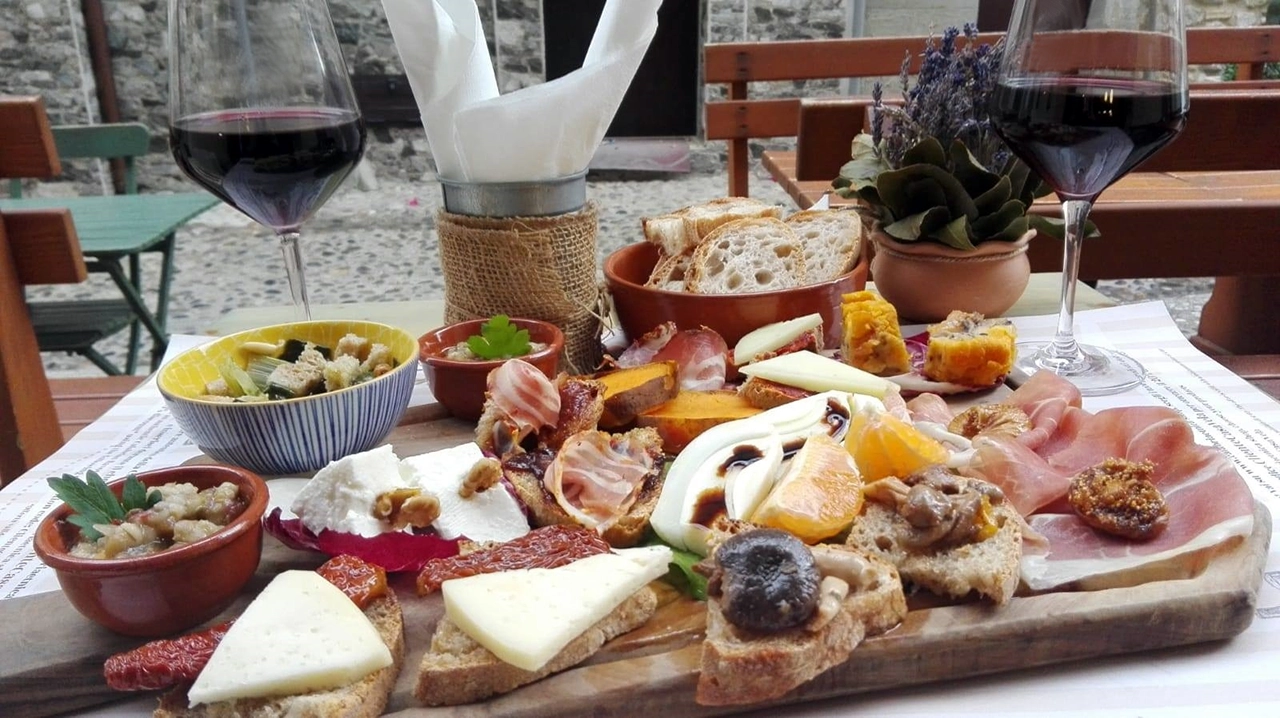
Calabrian Antipasto (starter)
A feast of colours and flavours: good bread, soppressata and spicy salami, Stilaro pecorino cheese, goat’s ricotta, «llivi cumibité» — olives in brine — and sun-dried tomatoes preserved in oil… And that is only the beginning!
Photo: Turismo Reggio Calabria Source
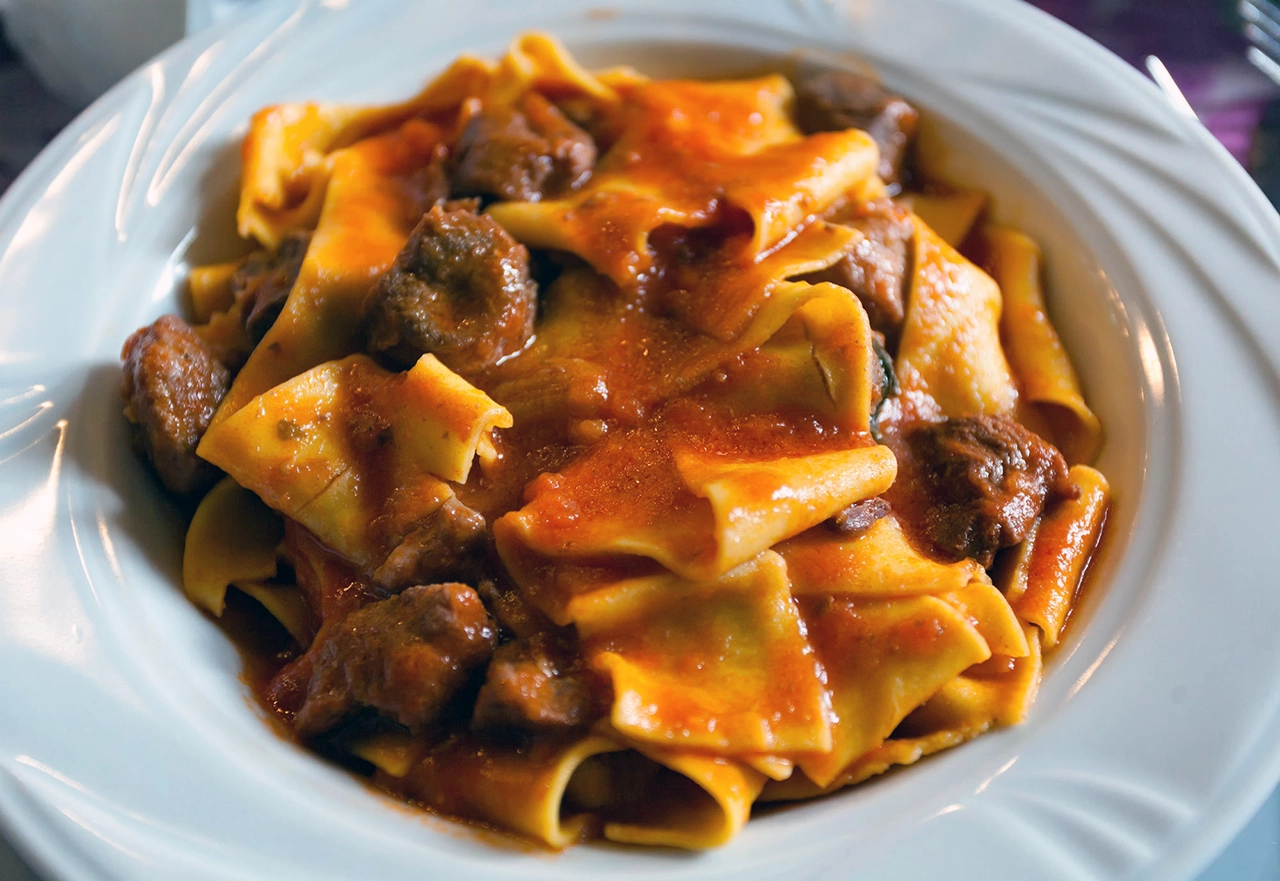
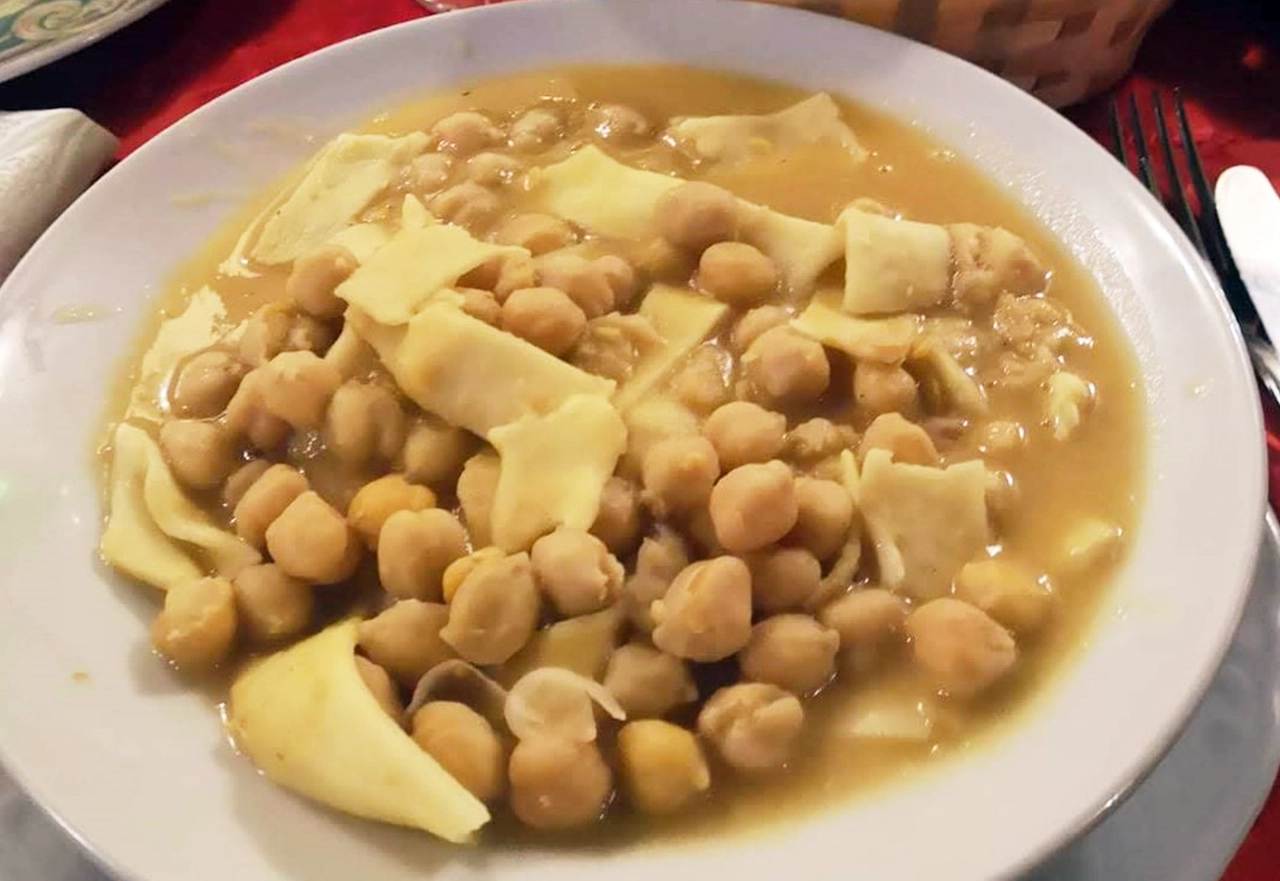
First Courses
«Scilatelle» are homemade pasta made with a ferretto — traditionally the stem of a plant used to shape the dough — and served with plenty of pork ragout, or kid goat ragout during the Easter period. In Pazzano, for the feast of the patron saint, Saint Joseph on 19 March, people eat pasta with chickpeas, known locally as «lagane e ciciari.» And then there is aubergine parmigiana, with its Italian colours — a dish that is always on the table.
Photo: Turismo Reggio Calabria (pasta with wild boar ragout) Source; Lupo silano 1914 (Lagane e ciciari) Source
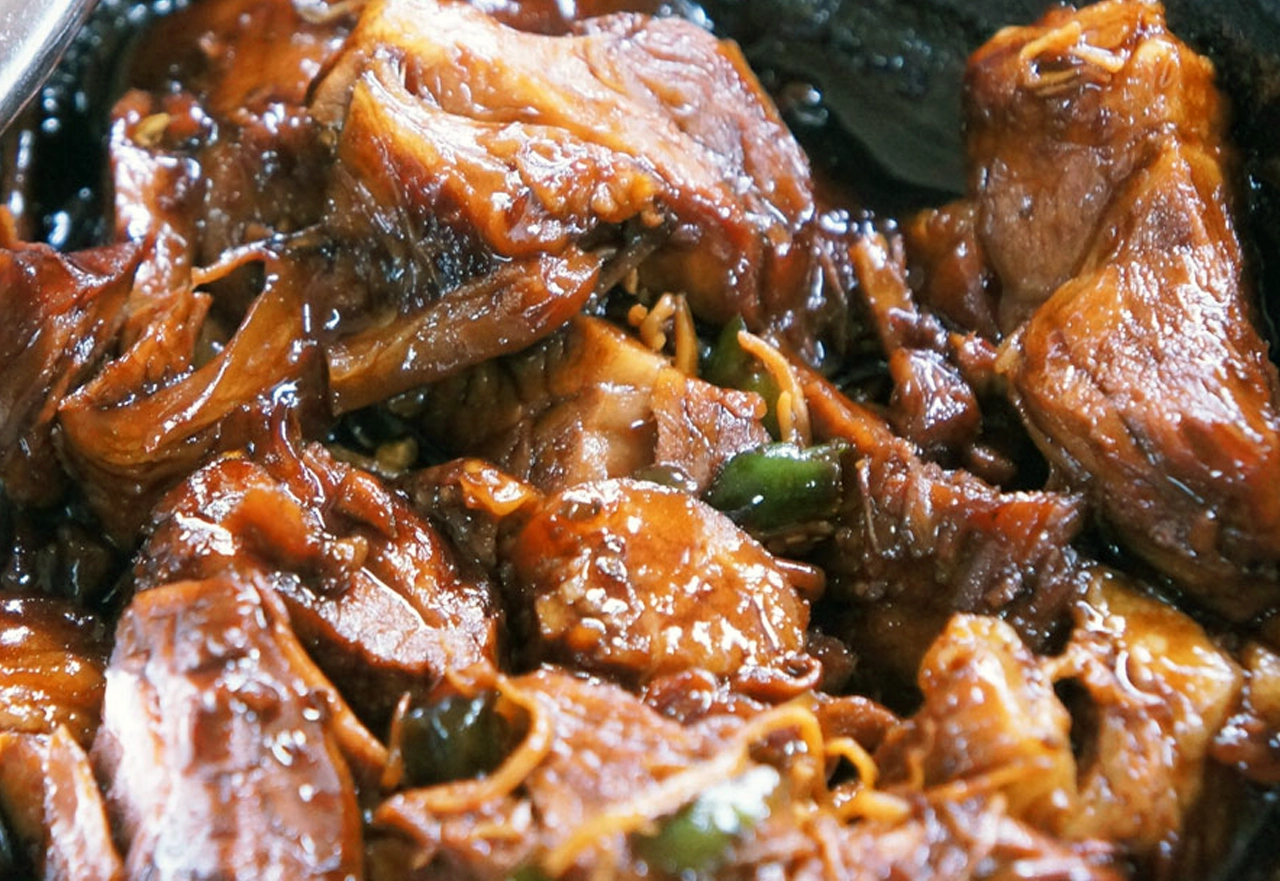
Main Courses: Meat and Fish
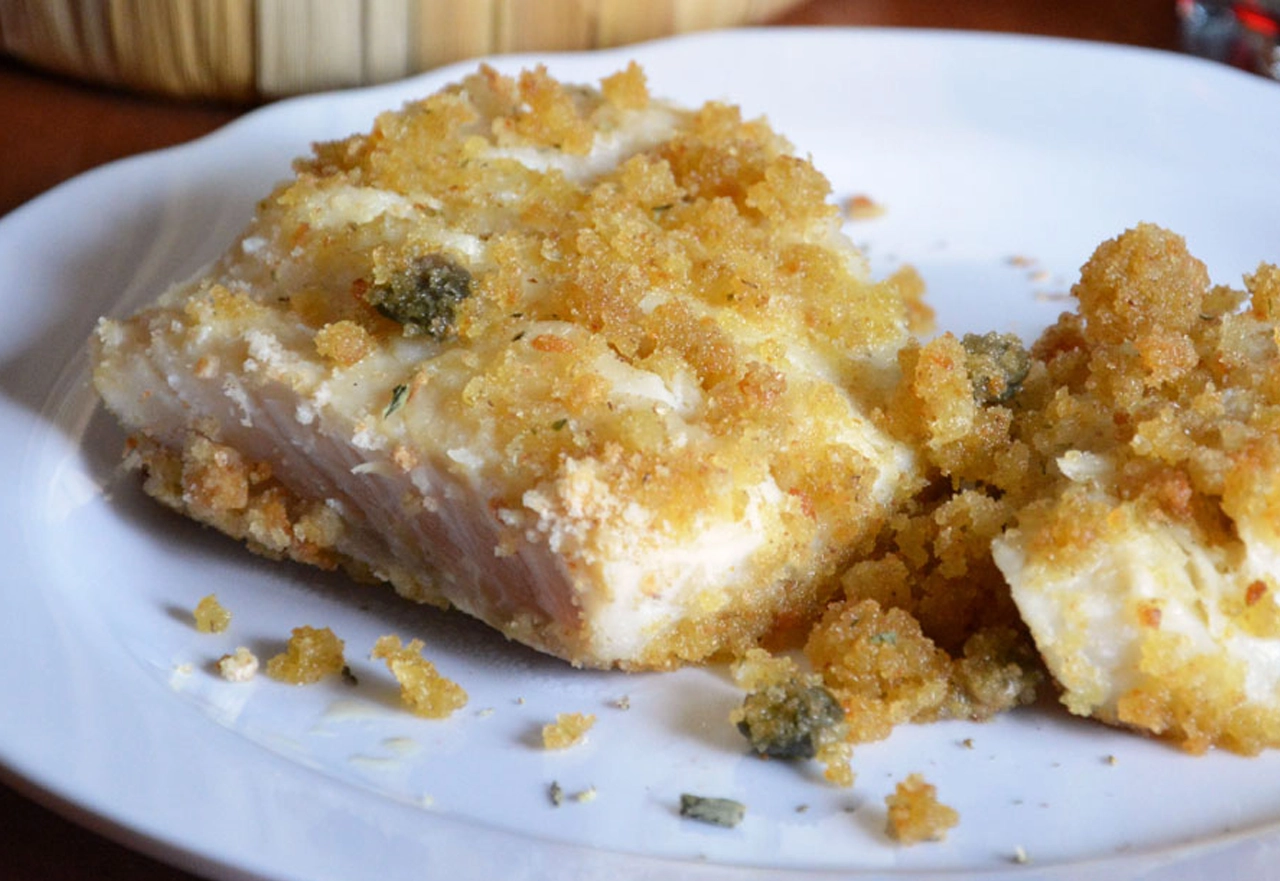
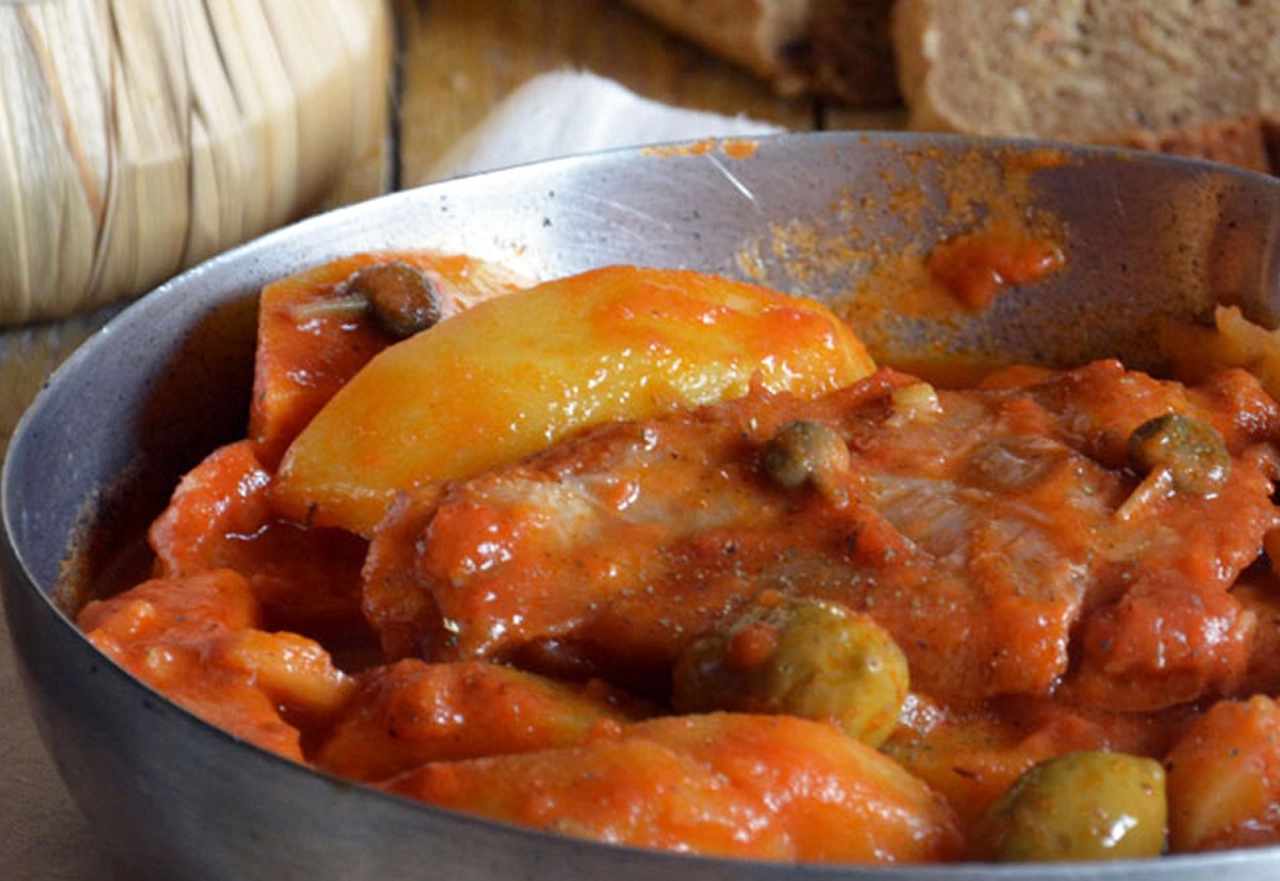
Roast pork, known locally as liciertu, and wild boar are often served with frascàtuli, a kind of polenta made with wheat flour rather than maize. And since nothing from the pig is wasted, the less noble cuts are slowly cooked for hours in pork fat to make frittuli: tender and full of flavour — though not exactly light… In winter, tripe with potatoes also appears on the table. And what about stocco — stockfish — and baccalà, salted cod? They are classics of the Christmas Eve meal.
Photo: Turismo Reggio Calabria (U Suffrittu stew) Fonte; Photo: Turismo Reggio Calabria (Stocco cod) Source; Photo: Turismo Reggio Calabria (Stocco cod) Source
Vegetables: Side Dish or Main Course?
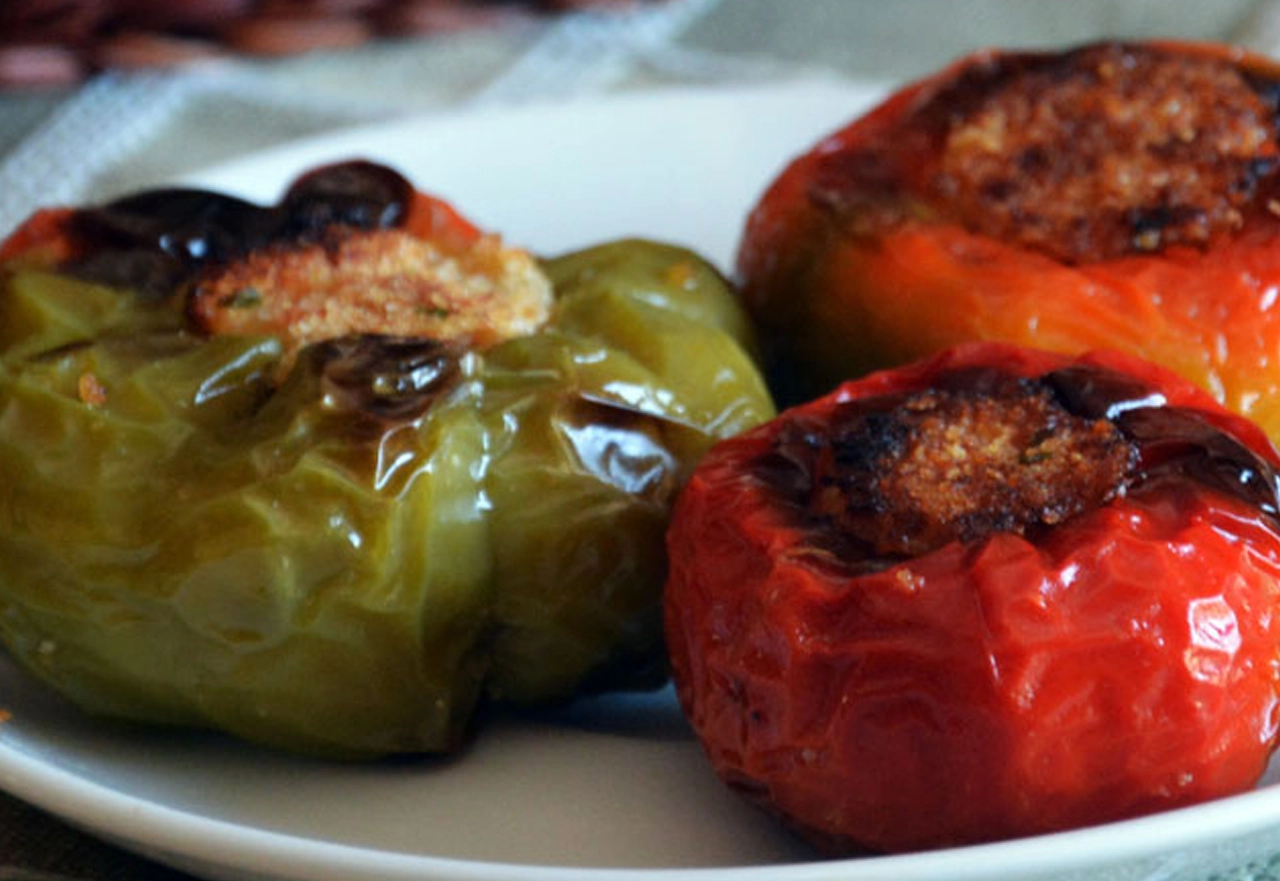
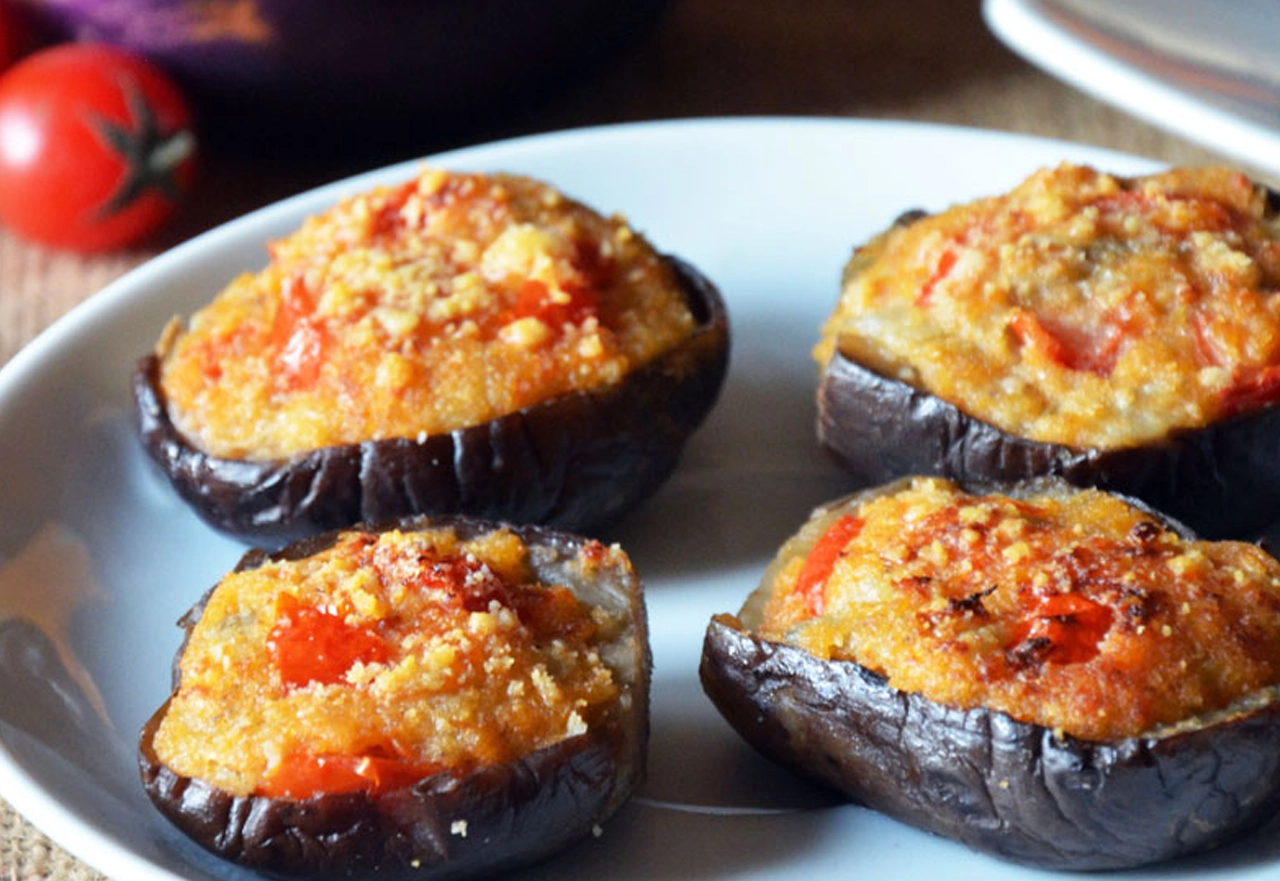
On Calabrian tables, aubergines appear in every possible form: stuffed (malangiani chjni), fried or cooked braciola-style, rolled and filled like a meat roulade. Pipi chjni are stuffed peppers, while the irresistible courgette flowers are dipped in batter and fried. Then there is scrajola cu posa — Catalonia chicory with beans. All the colours of the Mediterranean!
Photo: Turismo Reggio Calabria (stuffed peppers, Pipi chjni) Fonte; Photo: Turismo Reggio Calabria (stuffed aubergines, Malangiani chjni) Fonte
Desserts
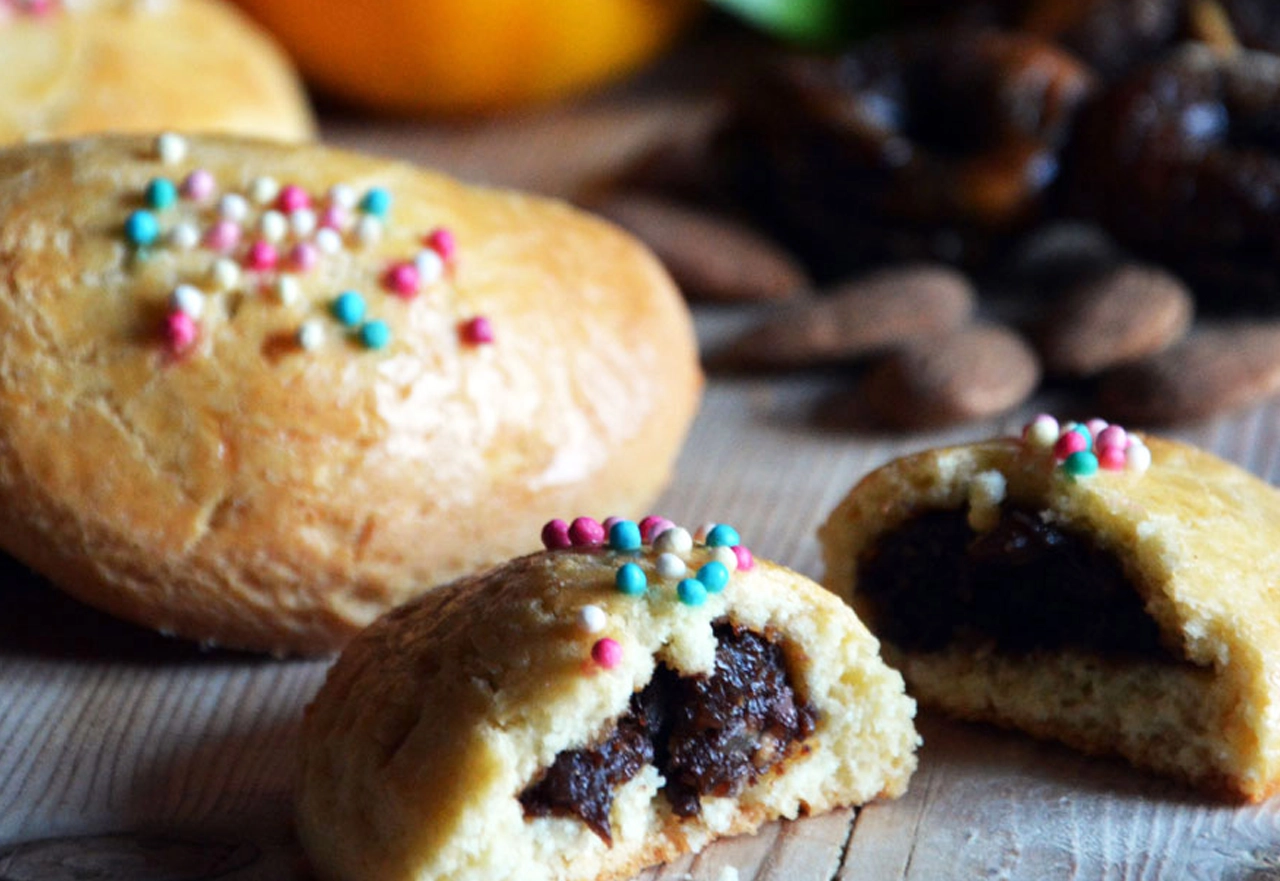
A wonderful variety of biscuits, known locally as i viscotta: cu lavatu (made with sourdough starter), mastazzola (made with honey)… Not to speak of the delicious dried figs filled with walnuts!
Photo: Turismo Reggio Calabria Source
Water, Wine and Bread
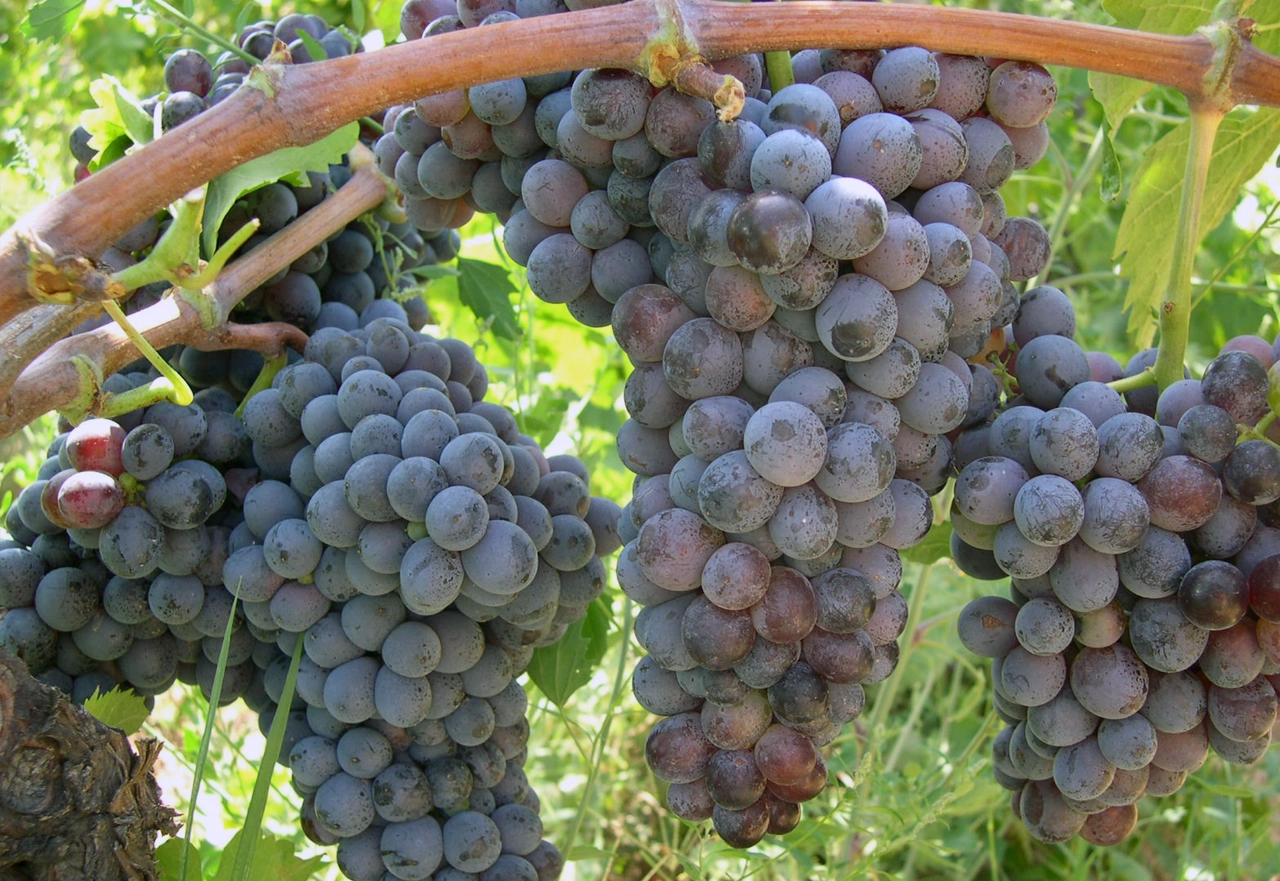
Water from the local spring, Mangiatorella, and the ruby-red Bivongi DOC wines, well suited to the intense flavours of Calabrian cuisine. Pitta calabrese is our traditional bread, often shaped like a flattened ring. Especially meaningful is the bread blessed in Stilo on Holy Thursday: the so-called guccedati, large ring-shaped loaves.
Photo: Fabio Ingrosso Source
Festive Sweets
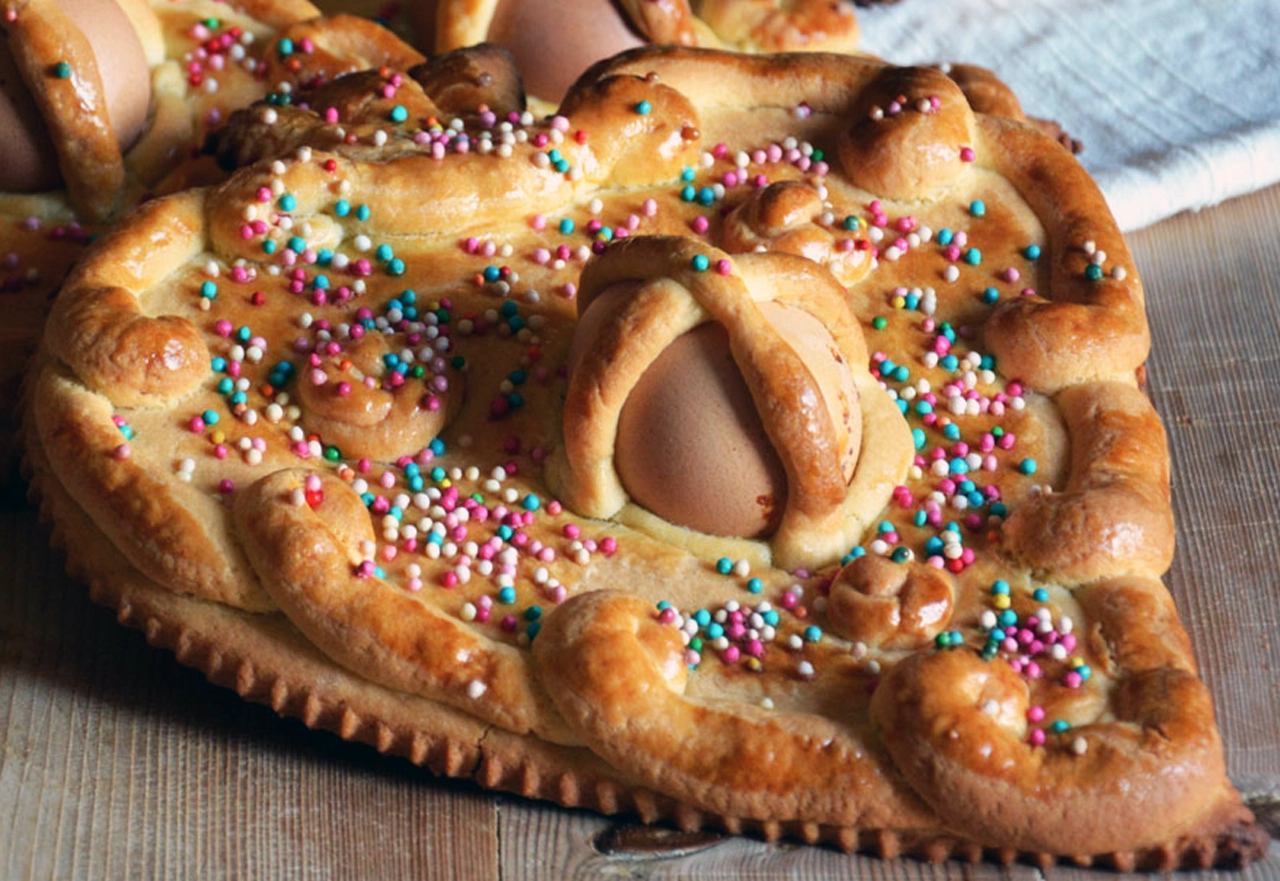
At Easter, there is cuzzùpa, a sweet bread with an egg in the centre, symbolising Resurrection.
Pitta di San Martino is enjoyed from November onwards with vino novello, the new wine of the season. Its dough is made with honey, raisins, dried figs, almonds, walnuts, cooked grape must and aromatic spices.
At Christmas, there is cicerata: a very sweet ring-shaped dessert made with many small fried dough balls, held together by a special syrup of honey, chocolate and cocoa. The little balls look like chickpeas — ceci in Italian and ciceri in the local dialect — which gives the dessert its name.
Essential at every major feast are the zippuli: small fried sticks made with potatoes, flour and yeast, sometimes with an anchovy or a piece of stocco — stockfish — inside.
Chjinuli are Christmas or Carnival crescent-shaped sweets, made with shortcrust pastry and filled with a mixture of dried figs, walnuts, almonds, honey, raisins, cooked wine and coffee, left to macerate for at least three days.
Photo: Turismo Reggio Calabria Source